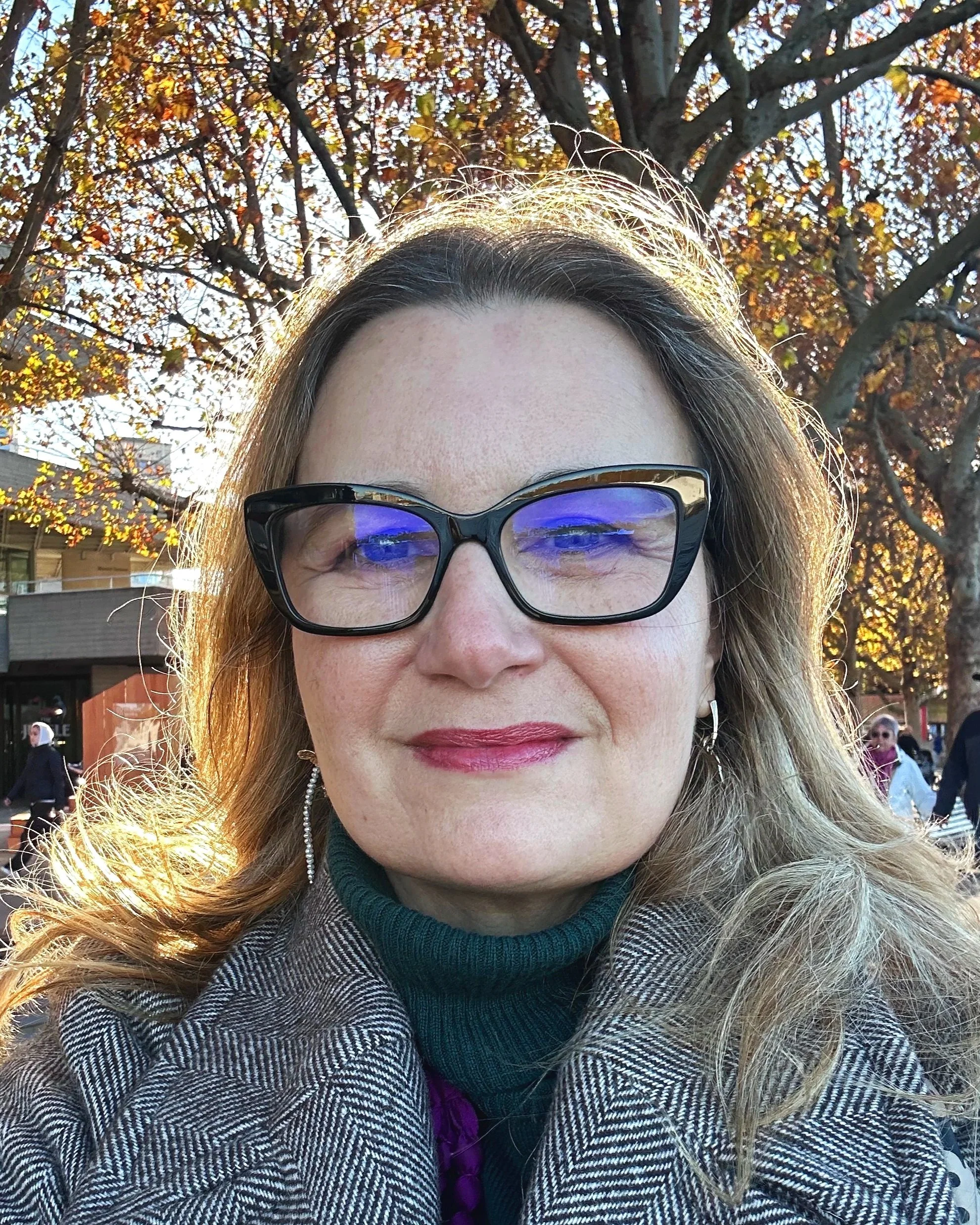
Marianna Unabridged
Where she answers the questions she asks…
Why do people and organisations come to you, and why do they stay?
They usually arrive with a practical or emotional problem: a “difficult” person or team, a request to design and deliver a programme that touches deeper organisational issues, an edgier curriculum for their high-potentials, a debilitating sense of imposter syndrome, a crossroads, a crisis, a decision they cannot make. All these requests have one thing in common: the issue has an inner core, which requires a specific type of training and understanding. I have years of experience in the unsaid, and I am direct about what I find. My clients stay because my insights hold up and because they trust me. I build relationships of long-term collaboration, which add value in themselves: more time to study the undercurrents and the people, and to really get to know the organisation.
What do people tell you?
Everything they cannot say to anyone with a stake in the outcome. The sentence I hear most is: “I have never said this before.” People fear their own voice, doubt their value and struggle to sit with uncomfortable feelings: envy, jealousy, anger at those in power, ambition they are ashamed of, and the suspicion that everyone else was given a manual. Almost nobody who holds power believes they have it. What I hear stays with me, and what I learn goes into the work.
What is your background?
All my degrees have been in psychology and in the UK. I knew understanding and working with people was my path at 16. I always felt that psychology was missing something, however, and I soon found myself drawn to psychoanalysis, which taught me to listen for what is not being said and how to think about complexity. Years of therapy and executive sessions showed me what people carry into their roles. Organisational work on leadership, which I practised in parallel with my clinical background, has shown me what happens to people and groups once hierarchy and status enter the picture. My PhD added gender: how women’s relationship to power is formed, and what organisations do with it. The four meet in my frameworks, thinking and ways of working.
A client describes you to a stranger in three words. Which three?
Perceptive. Deep. Direct.
And your closer circle, if they held nothing back?
Stubborn. Irreverent. A rock.
What is on your desk right now, and what is coming next?
I'm writing a book based on my doctoral thesis, on the Internal Glass Mirror: the inner, unconscious image a woman holds of herself as a leader, which can enable or deter her progress. I write Countertransference, my Substack, whenever an incident or a thought moves me. I'm opening my work to people directly, in smaller and more intimate formats: Femme Lab, for a small group of women; Mechanisms of Influence; and Leadership Conversations on power, influence and authenticity. And I'm working on a truly absorbing idea about forsaken aggression, with a humorous and playful twist. It's still taking shape, and its title will include cannoli.
And how would you like to close this strange way of presenting yourself?
Most things are figure-out-able. Sometimes a sounding board is all it takes, and sometimes you need one that talks back. I believe people are worth the effort, and that most problems respond to a good ear and a bit of help. I have a face that makes people sit up straighter. Sit however you like.
Q: Anything else?
A: Only this. If you're still reading, you'd make an excellent analyst. Message me the word "countertransference."